
24 October 2026
Brief Report: Regional Accountability System Software Onboarding Workshop
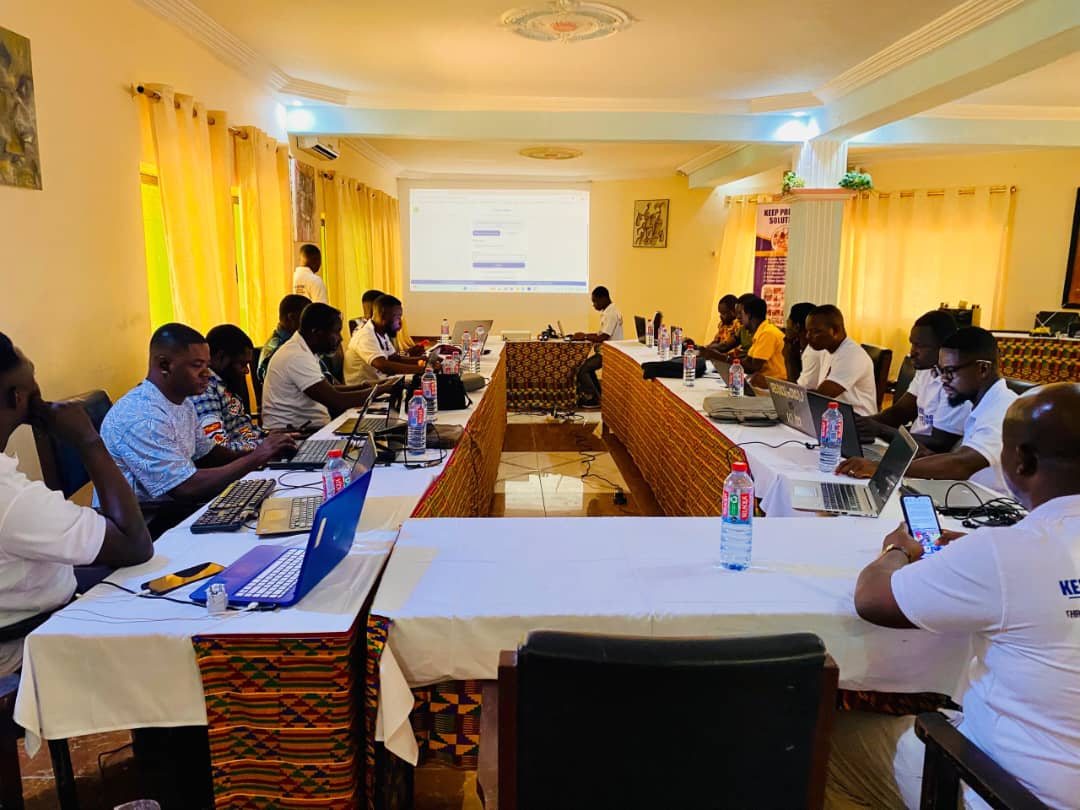
- Level: District-Level Implementation
- Region: Volta Region, Ghana
- Scope: 17 Districts and Municipalities
Executive Summary
The district-level onboarding workshop for the Regional Accountability System Software (RASS) developed by Keep Premium Solutions was successfully executed across 17 districts and municipalities within the Volta Region. Aimed at digitizing data management, streamlining performance tracking, and reducing administrative burdens, this 1-day system intensive equipped headteachers and ICT-savvy teachers with essential software navigation skills.
In total, 3,000 system users were successfully trained. The workshop achieved its intended objectives, generating high user satisfaction and a strong, public commitment from attendees to integrate the platform immediately into daily school administration to enhance regional learning outcomes.
Key Workshop Analytics
- Geographic Coverage: 17 Districts & Municipalities (Volta Region)
- Duration: 1 Day per cohort (Intensive System Training)
- Total Participants Trained: 3,000 System Users
- Target Audience: Basic School Headteachers & ICT-Savvy Teachers
- Key Output: Activation of Headteacher Dashboards & Teacher Onboarding Frameworks
Core Training Modules & Content Delivery
The 1-day training was systematically structured into six critical modules, balancing backend administrative settings with frontend student data analytics.
Module 1: System Registration
Participants were guided through the step-by-step verification process to register their respective schools onto the core Regional Accountability System Software database, establishing unique institutional IDs.
Module 2: Teacher Onboarding & Personal Dashboards
Headteachers learned how to populate and manage staff lists, assigning unique dashboards to classroom teachers. This module covered individual access points for managing School-Based Assessment (SBA) scores, maintaining personal teacher records, and utilizing the Teacher AI Assistant for automated lesson note preparation.
Module 3: School-Level Account Management
An administrative deep-dive into customizing institutional profiles, setting up academic terms, managing classroom allocations, and configuring global settings for individual basic schools.
Module 4: Headteacher Dashboard Navigation
A comprehensive walkthrough of the oversight portal. Headteachers were trained to monitor teacher submissions, track lesson note compliance via the AI system, and run real-time checks on administrative workflows.
Module 5: Student Performance Insights
Training on data visualization tools within the software. Participants learned how to interpret automated charts, isolate underperforming student cohorts, and utilize data-driven metrics to design targeted academic interventions.
Module 6: BECE Results Upload & Analysis
A critical session dedicated to historical and real-time data entry. Users practiced importing Basic Education Certificate Examination (BECE) results, generating comparative multi-year reports, and reviewing automated school-by-school performance breakdowns.
Expected System Workflow Impact
The implementation of these modules directly shifts school management from a paperwork-heavy structure to an agile, digital ecosystem:
- Administrative Efficiency: The integration of the Teacher AI Assistant drastically reduces the manual hours spent drafting weekly lesson notes, shifting teacher focus back to active classroom instruction.
- Granular Academic Tracking: Transitioning SBA scores from paper ledgers to interactive dashboards allows headteachers to spot academic trends instantly rather than waiting for end-of-term reports.
Participant Feedback & Resolution Culture
Feedback compiled across all 17 districts indicated an overwhelmingly positive response.
Key participant takeaways: Attendees expressed immense satisfaction with the software's intuitive user interface (UI) and the practical utility of the data insights tools. The inclusion of the automated AI lesson planner was highlighted as a massive relief to the daily instructional workflow.
Importantly, the 3,000 newly trained users concluded the workshops by pledging their professional commitment to standardizing the platform across their schools. They noted that the transparency brought by the BECE analysis tools and real-time dashboards would act as a catalyst for lifting student performance levels across the Volta Region.
Sustainability Strategy & Next Steps
To ensure the momentum generated from this successful onboarding translates into long-term system health, the regional directorate should prioritize the following track:
- District Tech-Leads deployment: Leverage the trained "ICT-savvy" teachers as the first line of local technical support within their respective circuits.
- SBA Data Standardization: Establish a firm timeline for the upload of current term SBA marks to prevent data backlogs.
- Continuous Monitoring: Implement casual monthly check-ins via the regional dashboard to flag schools showing low system usage or delayed submissions.