
24 October 2026
Brief Report: Stakeholders' Engagement on ICT Integration in Education
Brief Report: Stakeholders' Engagement on ICT Integration in Education
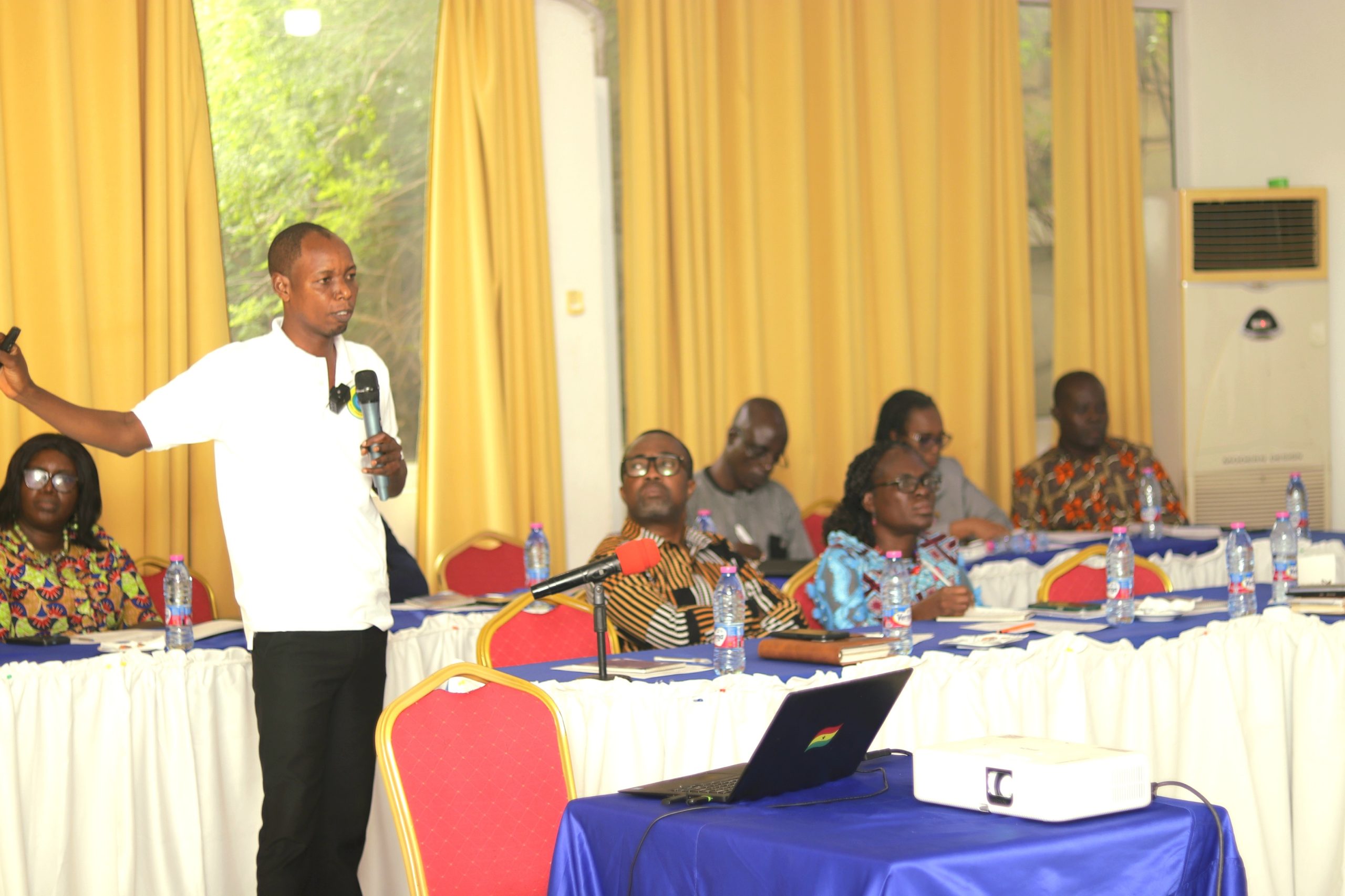
Venue: Acknac Hotel, Accra Date: Attendees: Metropolitan, Municipal, and District Directors of Education, along with key education stakeholders.
Introduction
A crucial stakeholders' engagement forum was recently convened at Acknac Hotel in Accra, bringing together Metropolitan, Municipal, and District Directors of Education. The forum aimed to deliberate on the strategic integration of Information and Communication Technology (ICT) into Ghana's educational curriculum, addressing both policy aspirations and practical implementation challenges. Discussions focused on current policies, existing gaps, the transformative potential of emerging technologies like Generative AI, and a clear path forward for district-level implementation.
Policies on ICT Integration into the Educational Curriculum
The forum commenced by reaffirming Ghana's strong commitment to integrating ICT into its educational curriculum, a vision articulated in the Education Strategic Plan (ESP) and the Education Sector Medium-Term Development Plan (ESMTDP) 2022-2025. The 2019 standards-based curriculum for basic schools explicitly emphasizes equipping learners with 21st-century skills, including digital literacy, critical thinking, and problem-solving, with ICT serving as a crucial tool for innovation. Furthermore, Ghana has developed a comprehensive ICT Competency Framework for Teachers (ICT-CFT), a structured roadmap to enhance educators' proficiency in utilizing digital tools for effective teaching and learning. The ESMTDP 2022-2025 specifically includes a two-year pilot project to integrate computer-based learning solutions in 50 selected Kindergartens, aiming to strengthen teacher capacity in early childhood education.
2. The Gap in Implementing the Policies Effectively
Despite robust policy frameworks and strategic intentions, a significant gap exists in the effective implementation of ICT integration across Ghanaian basic schools. A key challenge highlighted was the severe deficit in ICT infrastructure, with only 2% of deprived basic schools having functional ICT labs, and just 8% in endowed schools. This is compounded by a substantial electricity gap, as only 37% of deprived schools have access to power, far below the national average. Unreliable, expensive, and intermittent internet connectivity further exacerbates these issues, particularly in rural areas.
Beyond infrastructure, a critical barrier is the prevailing perception among many teachers who view technology primarily as a tool for personal productivity (e.g., lesson preparation) rather than a transformative pedagogical instrument for constructive pedagogy and deep student learning. This is often due to inadequate teacher preparation and a lack of technical know-how.
3. Leveraging Generative AIs and ICT as a Pedagogical Tool
The forum underscored the immense potential of leveraging Generative AIs and ICT as powerful pedagogical tools to transform learning outcomes. It was emphasized that ICT can facilitate constructive pedagogy and deep student learning by:
Creating Interactive Lessons: Utilizing multimedia (images, videos, animations) and interactive platforms to enhance comprehension and engagement.
Fostering Critical Thinking & Problem-Solving: Employing simulations, virtual labs (e.g., Ghana EduCONNECT portal), and project-based learning (PBL) to encourage student-led investigations and real-world problem-solving.
Facilitating Collaborative Learning: Using online platforms (e.g., Google Classroom, Moodle) to promote teamwork, discussions, and peer learning. Enhancing Assessment and Feedback: Employing digital tools like Kahoot!, Quizizz, and Google Forms for interactive quizzes and real-time feedback, which helps bridge learning gaps].
Generative AI, in particular, holds promise for automating administrative tasks, freeing teachers for more human-centric work, and assisting in content creation, brainstorming, and generating tailored practice problems.
4. The Way Forward for District-Level ICT Integration Programme
The forum concluded with a clear consensus on the way forward for implementing district-level ICT integration, emphasizing a multi-faceted and collaborative approach:
Continuous Teacher Professional Development (CPD): Implement high-quality, relevant, and practical -embedded training programs that shift teachers' mindsets towards viewing ICT as a pedagogical tool for deep learning. The Training at the district level woul cover practical digital pedagogy, data literacy, and AI literacy, ensuring teachers can critically evaluate and ethically integrate AI.
Fostering Peer Learning Networks: Encourage and support the establishment of Communities of Practice (CoPs) among teachers, both in-person and virtually, to facilitate knowledge exchange, mentorship, and collaborative problem-solving.
Conclusion
The forum at Acknac Hotel served as a vital platform for aligning stakeholders on the critical path forward for ICT integration in Ghanaian education. By addressing infrastructural gaps, transforming teacher pedagogy, embracing emerging technologies responsibly, and fostering collaborative ecosystems, Ghana can effectively practicalize its digital education policies, ensuring that every learner is equipped with the skills necessary to thrive in the 21st-century digital world. The commitment of Metropolitan/Municipal/District Directors will be pivotal in driving these initiatives at the district level.