Steven’s Hotel, Ho — Volta Region, Ghana25 November 2023
High-Level Stakeholders Engagement Forum: Charting the Path for Effective ICT Integration in the Standards-Based Curriculum
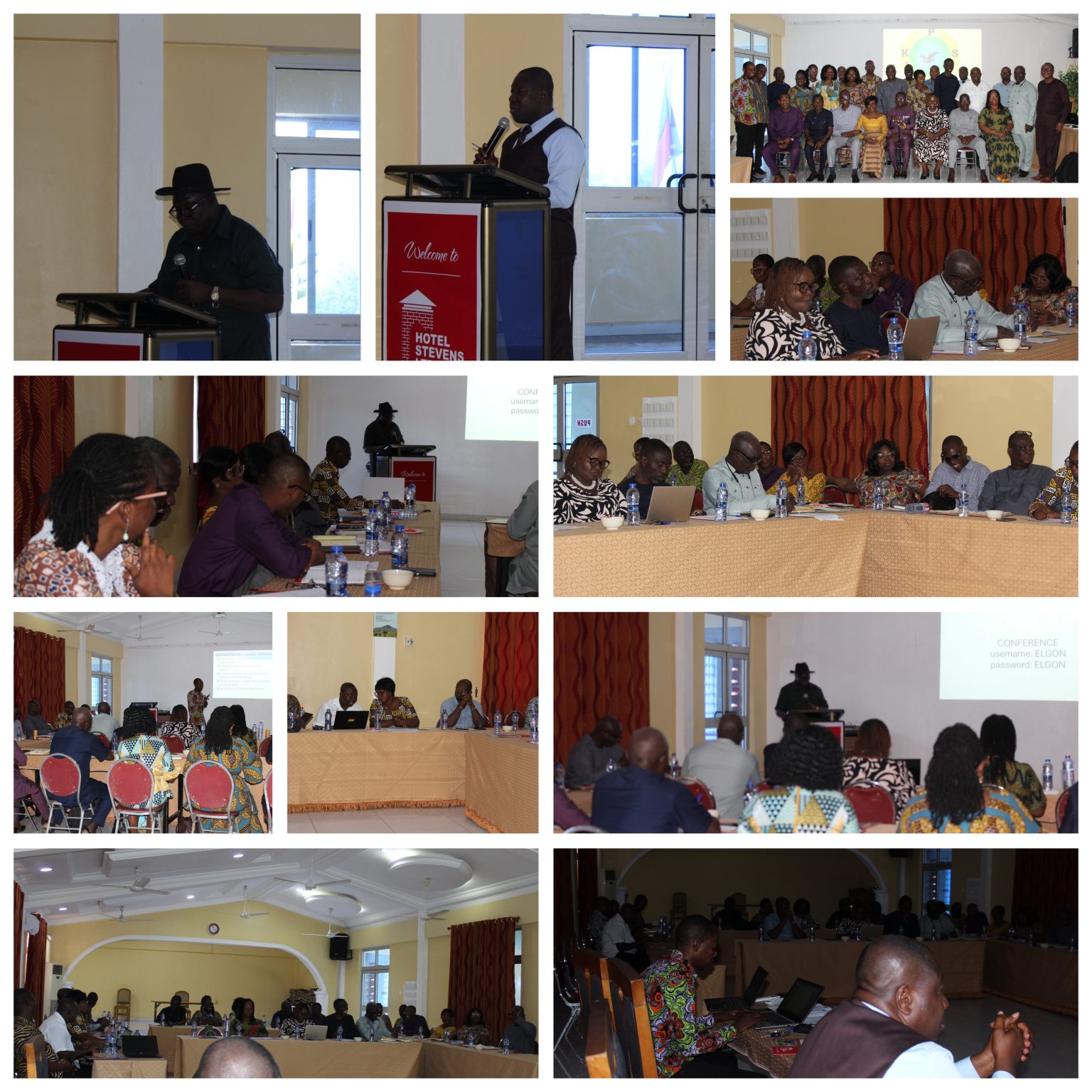
Convening Municipal and District Directors of Education, the Regional Leadership of the Conference of Heads of Basic Schools (COHBS), and Teacher Union executives at Steven’s Hotel in Ho, Keep Premium Solutions spearheaded a strategic dialogue on embedding digital literacy into Ghana’s Standards-Based Curriculum. Born out of frontline insights gathered during initial RASS sessions, this landmark forum secured key stakeholder backing for a region-wide teacher training rollout.
Sustainable educational reform requires more than innovative software—it demands unified leadership, policy alignment, and buy-in from the decision-makers who steer classroom practice every day.
Following the initial rollout of the Results Analysis System Software (RASS), Keep Premium Solutions (KPS) identified a critical recurring pattern on the ground: while educators embraced digital results compilation, many basic school teachers faced substantial hurdles when attempting to integrate ICT directly into their daily pedagogical delivery under the newly introduced Standards-Based Curriculum.
Recognizing that lasting change begins at the administrative and policy level, KPS convened a high-level Stakeholders Engagement Forum at Steven’s Hotel in Ho.
Uniting Key Educational Leaders Under One Roof
The forum brought together the core architects of basic education delivery across the Volta Region:
- Municipal and District Directors of Education (MDDEs): Providing administrative leadership and policy direction across the regional directorates.
- Regional Leadership of the Conference of Heads of Basic Schools (COHBS): Representing frontline school administrators directly overseeing teaching and learning.
- Teacher Union Representatives: Ensuring the professional welfare, voice, and instructional readiness of classroom teachers were prioritized.
Unpacking the Need: From Assessment Data to Classroom Practice
During the consultative sessions, the KPS team presented empirical findings gathered from hundreds of schools: 1. Curriculum Demands vs. Classroom Reality: Analyzing where the Standards-Based Curriculum requires digital research, computational thinking, and learner-centered tech tools—and where resource gaps existed. 2. Teacher Digital Readiness: Highlighting specific technical and pedagogical proficiencies required to move educators from basic computer literacy to active classroom integration. 3. Institutional Accountability & Sustainability: Demonstrating how standardized digital frameworks enhance monitoring and evaluation for district directorates.
The Catalyst for Region-Wide Teacher Training
The forum concluded with strong consensus: ad-hoc or isolated technology adoption was insufficient. What schools needed was structured, accredited, practical capacity building tailored to the Ghanaian classroom environment.
This dialogue served as the direct catalyst for KPS’s subsequent region-wide ICT Integration Training Workshops, which ultimately equipped thousands of basic school teachers across Volta Region districts with practical tools, digital lesson planning strategies, and technology-enabled assessment methods.
By aligning district directors, headteacher associations, and teacher unions around a common vision, the Ho forum established an enduring foundation for tech-driven quality education in full support of Ghana’s Education Strategic Plan (ESP 2018–2030) and Sustainable Development Goal 4.